What Is Cloud Hosting and How Does It Compare to Traditional
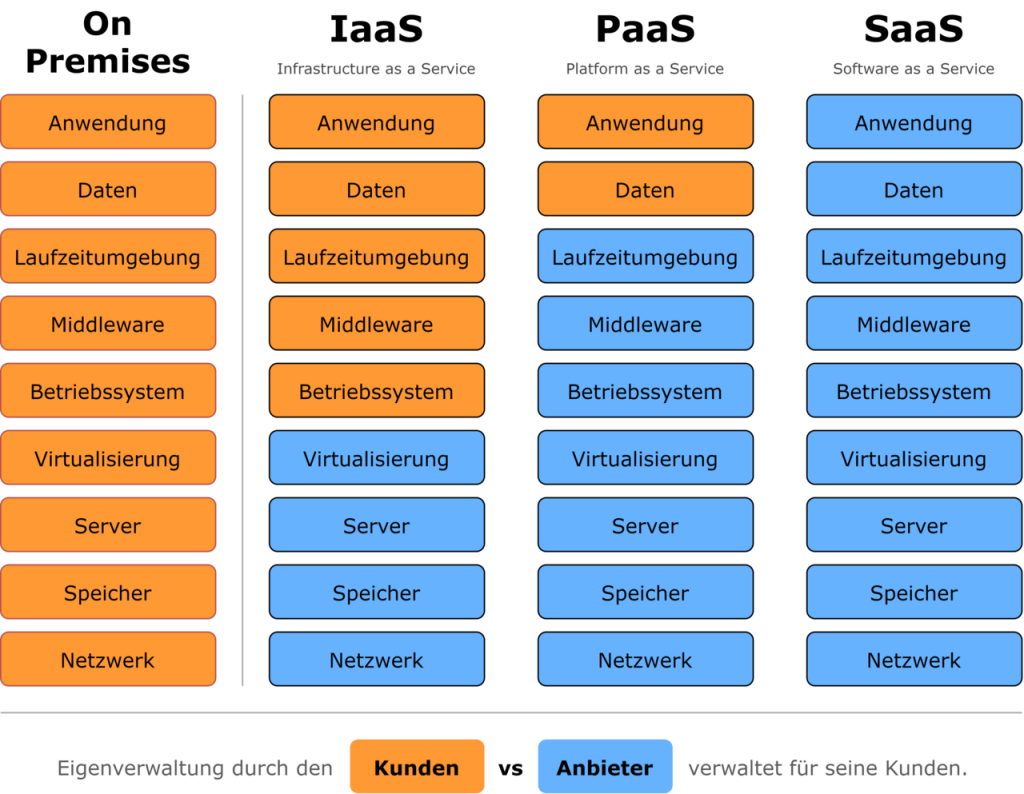
Cloud hosting spreads your workload across a network of servers instead of pinning it to one physical machine. That single difference reshapes how you pay, scale, and recover from failure.
The core promise is elasticity: you add or remove resources in minutes rather than waiting for hardware. In practice, that flexibility matters most when traffic is unpredictable or growth is sudden.
- Resources are billed per hour or per gigabyte used
- Scaling up or down typically takes minutes, not days
- Data lives on redundant storage across availability zones
- Failover is automated rather than manual
Traditional hosting still wins on predictable cost for steady, low-complexity workloads.